
PLUMBING KNOWLEDGE CENTRE · GREATER MONTREAL
Plumbing Tips
Understand the warning signs, take the safe first step and know when a plumbing problem needs professional attention. This centre brings together practical guidance for homes, rental properties and commercial buildings.
- Practical guidance
- Recognized sources
- Clear safety limits
Useful before it is promotional
Advice that helps you make the next decision
A plumbing guide should do more than repeat a service description. It should help you understand what the symptom may mean, what information to collect and where a do-it-yourself check should stop.
A direct answer
Each guide begins with the observable signs and the safest useful first step.
A clear boundary
We distinguish simple observations from work that requires tools, access or a licensed contractor.
Quebec context
Code, public-health or municipal information is linked to an official source when it matters.
Start with the symptom
Choose the situation closest to what you see
You do not need to diagnose the plumbing system yourself. Begin with what is happening now; the appropriate service can be determined from there.
Water supply
Water is visible or continues to flow
If an accessible shutoff can be used safely, stop the water and protect the surrounding area. Keep away from wet electrical equipment. An active or spreading leak should be reported promptly.
Drainage
A fixture drains slowly, gurgles or backs up
One affected fixture often points to a local branch. Several fixtures reacting together, sewage odours or wastewater at the lowest drain can indicate a problem farther along the system.
Basement protection
Water appears near the floor drain or sump
Stop using plumbing fixtures if wastewater is backing up and avoid contact with contaminated water. Backwater valves and sump pumps have different roles, so the source of the water matters.
Hot water
Hot water changes or disappears
Note whether the change affects every fixture, when it began and whether the electric water heater shows visible leakage. Do not remove panels or touch wet electrical components.
BROWSE BY TOPIC
Plumbing guides organized around real needs
Each topic connects practical articles with the relevant service pages, making it easier to move from research to the right next step.
Drains and Sewers
A slow, gurgling, foul-smelling or backing-up drain does not always reveal where the problem begins. This category brings together practical guides to…
Explore this topicLeaks and Water Supply
Water around a fixture, damp materials, pressure changes or an unexplained increase in water use can point to different plumbing problems. This…
Explore this topicWater Heaters
No hot water, changing temperatures, unusual noises or moisture around an electric water heater can indicate different problems and levels of urgency.…
Explore this topicBasement Protection
Water near a floor drain, dampness around a sump pit, a sewage backup or a pump that operates unusually can point to…
Explore this topicPlumbing Fixtures and Renovations
A running toilet, loose faucet, slow-filling tank, low-flow shower or worn seal does not always mean that the entire fixture must be…
Explore this topicCommercial Plumbing
Recurring blockages, changing water pressure, leaking fixtures, unusual water consumption or unexpected shutdowns can disrupt a business and affect customers, tenants and…
Explore this topicDrains et égouts
Explore this topicArticle library
Latest Plumbing Advice
Useful answers for maintenance, prevention and common plumbing problems.
30 published guides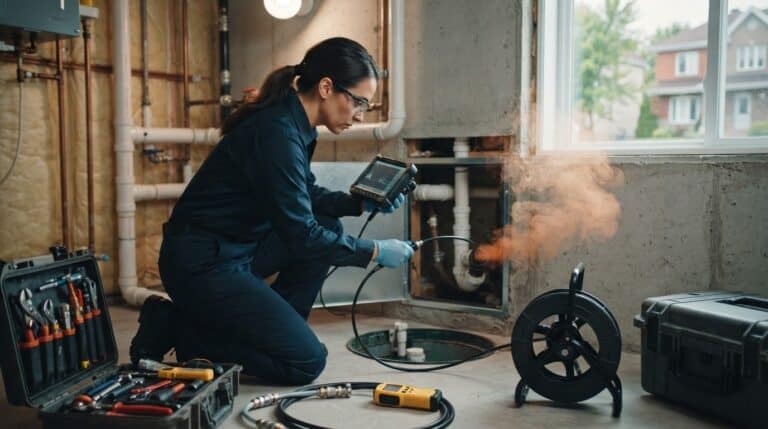
Persistent Sewer Smell: Smoke Test or Camera Inspection?
A persistent odour does not automatically tell you whether to book a smoke test or a camera inspection. Start by identifying the question: are…
Read the article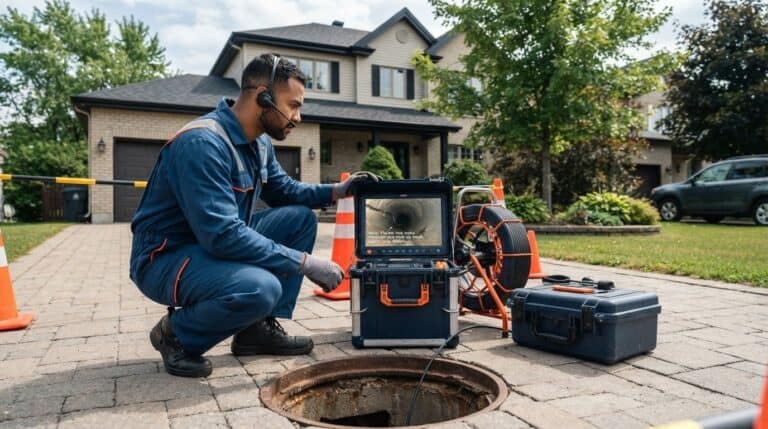
Drain Camera Cannot Advance: What Does the Stop Mean?
A drain camera that cannot advance does not, by itself, prove that the pipe has collapsed. The stopping point first establishes a limit to…
Read the article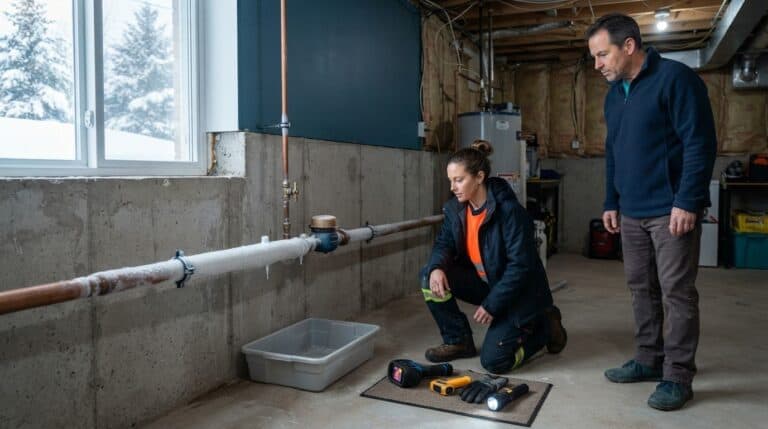
Frozen Pipes: Safe Steps Before the Plumber Arrives
A faucet that stops delivering water during extreme cold may point to frozen pipes. First check whether there is a leak or an immediate…
Read the article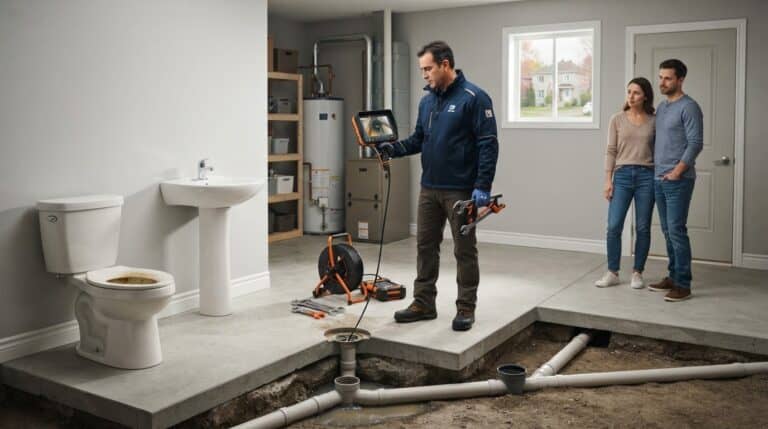
Blocked Main Sewer Line: Preparing for the Plumber
If you suspect a blocked main sewer line, start by stopping wastewater discharge and preparing for professional help without opening the plumbing. Problems affecting…
Read the article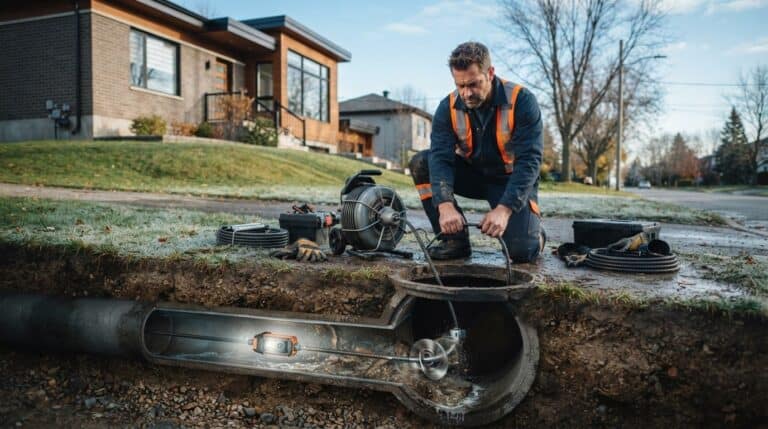
Sewer Pipe Milling: Understanding Mechanical Cleaning
When proposed for drain cleaning, sewer pipe milling generally involves using a suitable rotating tool to remove material that restricts the opening inside a…
Read the article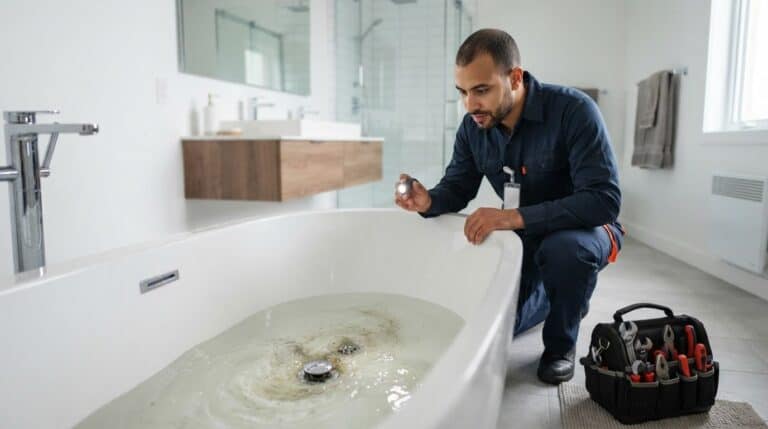
Bathtub Draining Slowly: Causes and Safe Checks
A bathtub that drains slowly may have a stopper that does not open fully, hair collecting around the drain opening or a restriction farther…
Read the article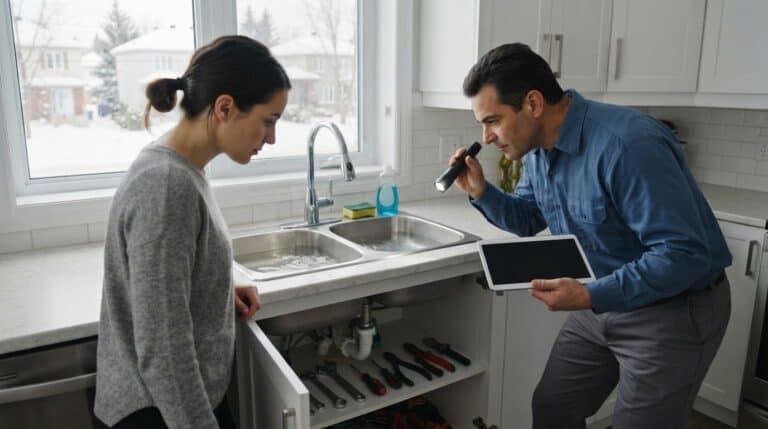
Clogged Kitchen Sink: What Can You Check Safely?
Is water staying in your kitchen sink or draining much more slowly than it used to? Start with what you can see without opening…
Read the article
How to Check a Plumber’s RBQ Licence and Read the Record
An advertisement saying “RBQ certified plumber” does not tell you which company holds the licence or which work it covers. To check a plumbing…
Read the article
Why Does My Bathroom Sink Smell Bad If It Drains Normally?
The bathroom smells unpleasant near the sink, yet the water drains normally. Does that mean the drain needs to be unclogged? The smell alone…
Read the articleVerified reference points
Official plumbing resources
These sources help verify Quebec requirements and public guidance. They complement a site-specific assessment; they do not replace one.